Tulip & Daffodil Mixed Arrangements: A Practical Guide
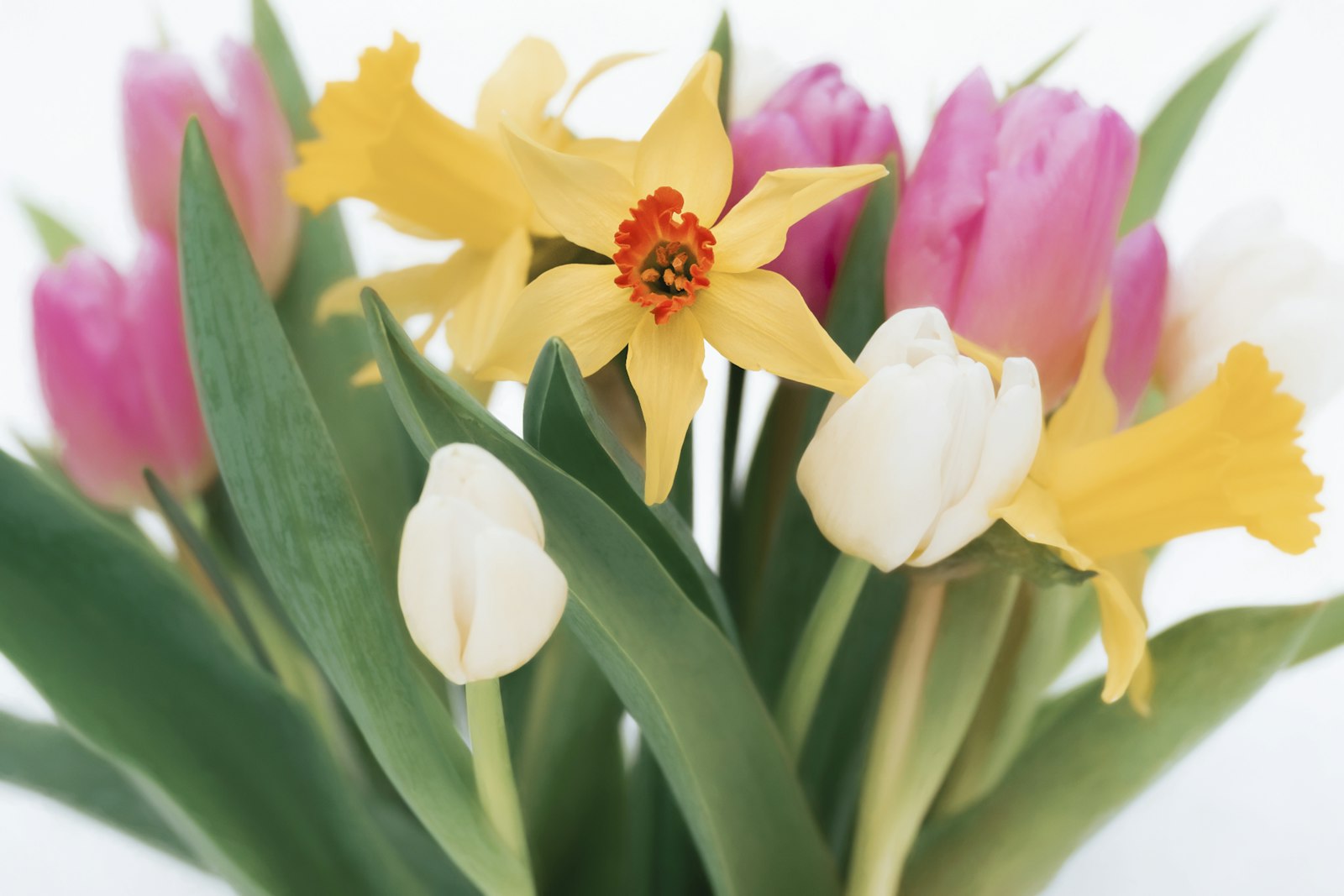
Tulips and daffodils are the classic spring pairing — the two flowers people most associate with the season, both available in the field at the same time, both at home in everything from a kitchen pitcher to a formal centerpiece. They are the easiest, most cheerful arrangement you can make in April.
They are also the arrangement that most often goes wrong, for one specific reason that almost no one knows about: daffodil sap. If you cut tulips and daffodils, throw them in a vase together, and walk away, your tulips will wilt within two to three days instead of lasting a week. The flowers themselves are not the problem — the sap is.
Here is the trick, plus everything else worth knowing about putting these two together.
The Daffodil Sap Problem
When you cut a daffodil stem, it releases a thick, slightly sticky sap that contains compounds (mostly alkaloids and crystals called raphides) that interfere with how other flowers take up water. Daffodils themselves are unaffected. But tulips, roses, and most other cut flowers sharing the same vase water will absorb the sap and lose vase life dramatically.
This is why florists often refuse to mix daffodils with anything else, or sell them only in single-variety bunches. It is also why many home arrangers have noticed their tulips dying fast and not understood why — it was the daffodils all along.
The Fix: An Overnight Soak
The solution is simple. Once the cut daffodil stems have stopped releasing sap, they can sit in water with other flowers without causing any damage. The sap stops flowing within six to twelve hours of cutting.
So the method is:
- Cut your daffodils first (or unpack them as soon as they arrive).
- Place them alone in a bucket of cool water for at least 6 hours, ideally overnight.
- The next morning, lift the daffodils out, give the stems a quick rinse, and re-cut the stems at an angle.
- Now arrange them with your tulips in fresh water. The sap is gone; the tulips will be unaffected.
Critical: do not re-cut the daffodil stems again after the soak. Re-cutting reopens the sap. One cut, soak, rinse, arrange — and that is it.
If you forgot to soak them and already mixed them, all is not lost. Pull everything out, give the daffodils their soak, change the vase water, and re-arrange. You will have lost a day, but you will save the rest of the bouquet.
Color Pairing
Once the sap problem is handled, the fun begins. Tulips and daffodils give you almost limitless color combinations because both come in a wide range. A few that consistently work well:
Yellow daffodils + warm tulips
The classic spring palette. Bright yellow daffodils paired with red, orange, or warm pink tulips reads as cheerful and uncomplicated — the bouquet equivalent of a sunny morning. Best for kitchens, breakfast tables, and gifts to people who need cheering up.
Yellow daffodils + cool tulips
Counterintuitive but striking. Yellow daffodils against deep purple, cool pink, or white tulips creates contrast and tension that more elegant arrangements need. The yellow becomes a single bright punctuation rather than the dominant note. Better for dining rooms and entryways than kitchens.
White daffodils + any tulip
White-and-cream daffodil varieties (like Thalia or Mount Hood) are quieter than yellow and pair with anything. Use them as a calming counterpoint to dramatic tulips like parrots or Black Hero, or as a soft companion to pastels for a wedding-worthy arrangement.
Peach-centered daffodils + pink tulips
Specialty daffodil varieties have peach, apricot, or pink-tinted centers. Pair these with double tulips in pale pink or champagne for an arrangement that feels romantic without trying too hard.
Arrangement Styles
Casual pitcher. A wide ceramic pitcher, stems cut at varying lengths, no real attempt at structure. Tulips will continue to bend toward the light over the next few days, which becomes part of the look. Best for kitchens and casual settings.
Tight clutch in a low vase. A short, wide-mouthed vase with stems cut to about 1.5 times the vase height. Pack the flowers densely so the heads form a continuous dome. Looks formal, photographs beautifully, sits well as a centerpiece.
Loose tall vase. A tall narrow vase with longer stems — some at full height, some trimmed slightly shorter. Daffodils tend to face one direction; rotate the vase daily for even sun exposure if you want them to stay symmetrical.
Care Notes Once They’re Together
Cool water, changed every two days. Tulips drink a lot. The water level can drop noticeably overnight. Top off daily and replace fully every two days.
Strip leaves below the waterline. Any leaf in water rots quickly and will turn the vase cloudy and shorten the bouquet’s life.
Cool room, no direct sun. Tulips will keep growing in the vase — sometimes adding two to three inches over the first few days — and they grow toward light. A cool room, away from heating vents and direct sun, gives you the longest, most stable arrangement.
Expect daffodils to fade first. Daffodils typically last four to six days in a vase; tulips last seven to ten. Pull the daffodils as they fade to keep the bouquet looking fresh, and the tulips will carry the arrangement another few days on their own.
What We Have Right Now
Both tulips and daffodils are at peak in our field this week. Our standard tulip bunches are shipping daily; daffodils are available in limited supply by request — reach out via our contact page if you want a bunch of either daffodils alone or a custom mix.
Get the spring pairing. Order a tulip bunch and add a daffodil request in the order notes. We’ll handle the soaking before they ship so they arrive ready to arrange.
Shop Tulip BunchesOne Last Thing
If you take nothing else from this post: soak your daffodils alone for six to twelve hours before mixing them with tulips. Most people who have given up on tulip-and-daffodil arrangements gave up because of the sap problem without knowing that was the cause. The fix takes one extra step the night before, and then you have the easiest, most beautiful spring arrangement on your table.
It is a small piece of knowledge that changes everything.