The Complete Guide to Caring for Cut Tulips
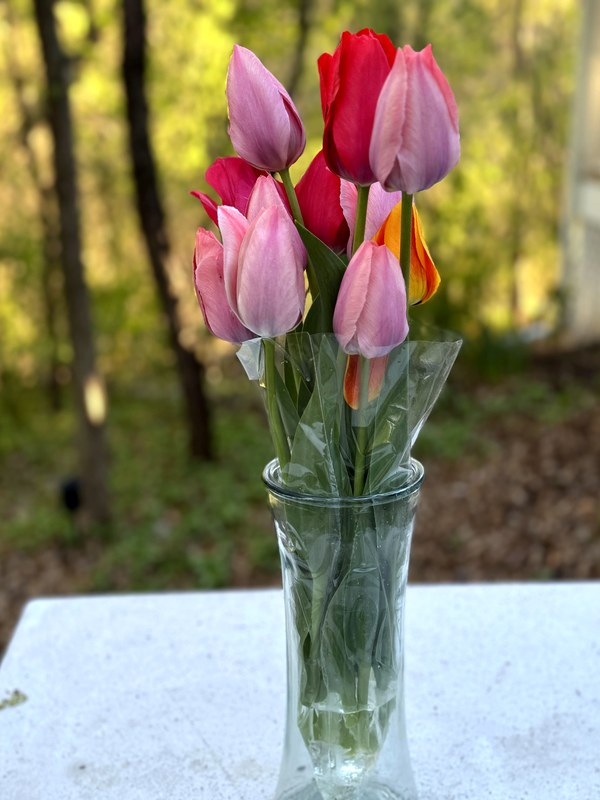
There is something magical about a fresh bouquet of tulips. Their smooth, sculptural petals and rich colors can transform any room in an instant. But tulips are not like other cut flowers. They are one of the few varieties that continue to grow after being cut, sometimes adding an inch or more in height while sitting in your vase. This unique trait makes them endlessly fascinating, but it also means they need a slightly different approach to care.
With the right techniques, your cut tulips can last seven to ten days, staying vibrant and upright throughout. Whether you just picked up a bouquet from our shop or received one as a gift, this guide will help you get the most out of every stem.
Start With a Clean Vase
Before you even unwrap your tulips, take a moment to prepare their home. Bacteria is the number one enemy of cut flowers, and a dirty vase is the fastest way to shorten their lifespan. Wash your vase thoroughly with hot water and a drop of dish soap, scrubbing the inside to remove any residue from previous arrangements. Rinse it well to ensure no soap remains.
Once clean, fill the vase with cool, fresh water. Adding a single drop of household bleach to the water creates a mild antibacterial solution that helps keep the water clear and fresh for longer. If you received a packet of flower food with your bouquet, use it in place of the bleach. The sugars in flower food provide nutrients that feed the stems, while the citric acid lowers the water's pH to help with water uptake.
Trim the Stems
Proper stem trimming is essential. Using sharp scissors or a clean knife, cut one to two inches off the bottom of each stem at a 45-degree angle. The angled cut increases the surface area for water absorption and prevents the stem from sitting flat on the bottom of the vase, which can block water intake.
Avoid using dull scissors, as they can crush the delicate stem fibers rather than cutting cleanly. Crushed fibers restrict water flow and create openings for bacteria to enter. Re-trim the stems every two to three days when you change the water, and you will notice a real difference in how long your tulips stay fresh.
Use Cold Water
Here is where tulips differ from most cut flowers. While roses and many other varieties prefer lukewarm water, tulips thrive in cold water. Fill your vase with cool water and consider adding a few ice cubes, especially during warmer months or if your home runs warm. The cold water slows their metabolism, which in turn slows their growth and helps them stay firmer and more upright.
Tulips drink a surprising amount of water, so check the water level daily and top it off as needed. You may be surprised at how quickly they drain the vase, particularly in the first couple of days.
Need fresh tulips? Our Grand Bunch (50 stems, $70) is perfect for a full vase display. Ships fresh from our farm.
Shop TulipsKeep Them Cool
Temperature plays a huge role in how long your tulips last. Display them away from direct sunlight, heating vents, radiators, and any other heat sources. A cool room, ideally between 60 and 65 degrees Fahrenheit, will extend their life significantly compared to a warm spot near a sunny window.
One often-overlooked tip: keep your tulips away from fruit bowls. Ripening fruit, especially bananas and apples, releases ethylene gas, a natural plant hormone that accelerates aging and wilting in cut flowers. Even a fruit bowl across the table can produce enough ethylene to affect your arrangement.
The Penny Trick
This one sounds like a folk remedy, but it actually works. Drop a copper penny into the bottom of your vase. The copper acts as a natural fungicide, helping to inhibit the growth of bacteria and fungi in the water. Some growers also claim that the copper helps keep tulip stems straighter, though results can vary.
Make sure you use a penny minted before 1982, as those are solid copper. Newer pennies are zinc with a thin copper coating and will not be as effective. If you do not have a pre-1982 penny handy, the bleach method mentioned earlier works just as well for keeping bacteria at bay.
Let Them Be
Tulips are phototropic, meaning they naturally bend and grow toward light. You will notice your tulips leaning toward the nearest window or lamp over the course of a day. This is completely normal and part of what makes them such a dynamic, living arrangement.
If you prefer a more uniform look, simply rotate your vase a quarter turn each day so the stems grow evenly. But we encourage you to embrace the natural movement. There is a certain beauty in the way tulips arc and curve, creating an arrangement that looks different every time you glance at it.
When They Start to Droop
Even with the best care, tulips will eventually begin to soften and droop. When this happens, there is a tried-and-true trick to revive them, at least temporarily. Remove the tulips from the vase and wrap them tightly in a cone of newspaper, securing it with a rubber band or tape. Place the wrapped bundle back in a vase of cold water so the stems are submerged while the newspaper holds them upright.
Leave them like this for two to three hours. The combination of fresh cold water and the support of the newspaper will help the stems rehydrate and straighten. Once you unwrap them, they should stand tall again for another day or two. This trick works best when you catch the droop early rather than waiting until the petals are already starting to shed.
A Final Note
Cut tulips are one of the most rewarding flowers to display at home. Their shifting shapes, deepening colors, and graceful curves make them a living centerpiece that evolves day by day. With clean water, cool temperatures, and regular stem trims, you can enjoy their beauty for well over a week.
And when the last petal finally falls, remember that it is not the end. It is simply an invitation to bring home a fresh bunch and start the cycle all over again.
Love peonies too? Our peony collection launches late May with three heirloom varieties. Join the presale list for first access.
Peony Presale