How to Grow Peonies in Your Garden
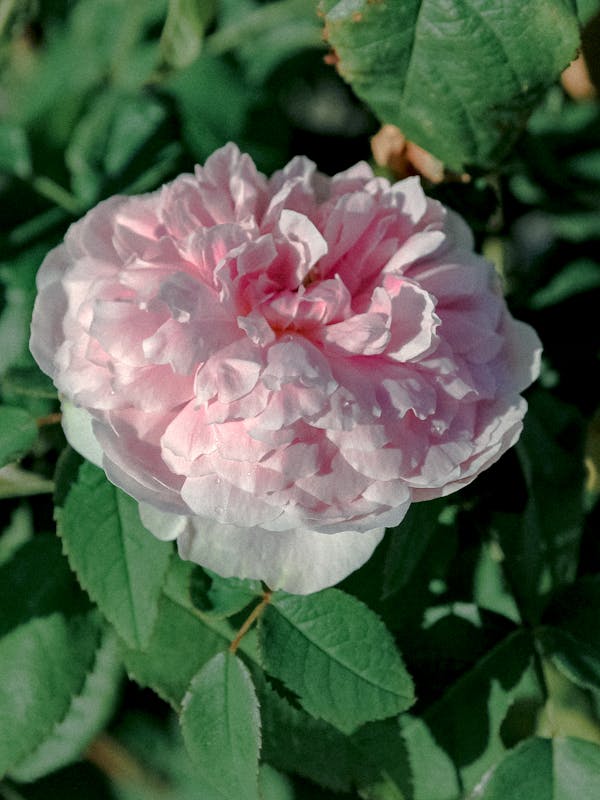
Peonies are the crown jewels of the spring garden. With their lush, billowing blooms and intoxicating fragrance, they have captivated gardeners for centuries. Here at Tulip & Peony Co., we grow three beloved heirloom varieties on our farm in Eagan, Minnesota: Sarah Bernhardt, Karl Rosenfield, and Duchess de Nemours. Each one brings something unique to the garden, and together they create a stunning late-spring display that draws visitors from across the Twin Cities.
What makes peonies truly remarkable is their longevity. A well-planted peony can live fifty to one hundred years, often outlasting the gardener who planted it. Many of the most cherished peony plants in Minnesota gardens today were originally set in the ground by grandparents or great-grandparents. They are, in every sense, a generational flower. Once established, they ask for very little and give back abundantly, producing dozens of magnificent blooms each spring with minimal intervention.
Whether you are planting your first peony or looking to expand an existing collection, this guide will walk you through everything you need to know, from choosing the right variety to dividing mature plants for propagation.
Choosing Peony Varieties
Before you plant, it helps to understand the three main types of peonies available to home gardeners. Herbaceous peonies are the most common and the type most people picture when they think of peonies. They die back to the ground each winter and re-emerge in spring, producing large, fragrant blooms on soft stems. Intersectional peonies, also known as Itoh hybrids, are a cross between herbaceous and tree peonies. They offer the enormous blooms of tree peonies on the sturdy, manageable growth habit of herbaceous types. Tree peonies are woody shrubs that do not die back in winter and can eventually grow several feet tall, producing flowers that are often the size of dinner plates.
For Minnesota gardeners, herbaceous peonies are the most reliable choice. They are fully hardy in Zone 4, require the cold winter dormancy that our climate provides, and have been proven performers in Upper Midwest gardens for over a century. All three of the varieties we grow at Tulip & Peony Co. are herbaceous types, and each has its own distinct character.
Sarah Bernhardt is perhaps the most iconic peony in cultivation. Named after the legendary French actress, this variety produces enormous, heavily petaled blooms in a soft, luminous pink. The flowers are fully double, meaning they are packed with layer upon layer of ruffled petals that create a sumptuous, rose-like form. Sarah Bernhardt has a rich, sweet fragrance that fills the garden on warm spring evenings, and her soft pink color pairs beautifully with virtually any garden palette. She is the classic cottage garden peony, and for good reason.
Karl Rosenfield is the peony you choose when you want drama. His blooms are a deep, saturated crimson that borders on magenta, with large, fully double flowers that command attention from across the yard. Karl Rosenfield is one of the most popular red peonies in the world, prized for his strong stems, vigorous growth, and reliable bloom production. A single stem of Karl Rosenfield in a vase makes a striking centerpiece, and a full planting in the garden creates a display that stops people in their tracks.

Duchess de Nemours is pure elegance. This early-season variety produces creamy white blooms with a subtle yellow glow at the center, giving them a warm, candlelit quality. The fragrance is light and delicate, sometimes described as a clean, citrusy sweetness. Duchess de Nemours typically blooms a few days before the other two varieties, extending your peony season and providing a lovely contrast when planted alongside the deeper colors of Karl Rosenfield and Sarah Bernhardt.
When to Plant Peonies
Timing is everything when it comes to planting peonies. In Minnesota and other Zone 4 climates, the ideal planting window is fall, from mid-September through early November. This gives the roots several weeks to establish themselves in the still-warm soil before the ground freezes. Fall-planted peonies have all winter to develop their root systems below the surface, and they emerge in spring with a strong foundation that supports healthy growth and, eventually, abundant blooms.
Most peonies are sold as bare-root divisions, which are sections of mature root with three to five growing points, called eyes. These eyes are the reddish-pink buds that sit at the crown of the root and will become next year's stems. Bare-root peonies are typically shipped in fall and should be planted as soon as possible after you receive them. You can also find container-grown peonies at garden centers in spring, which can be planted after the last frost. However, fall planting is strongly preferred because it gives the roots a head start and typically results in blooms one full season earlier than spring-planted peonies.
Avoid planting peonies in summer. The heat and dry conditions stress the roots before they have had a chance to establish, and transplant shock is far more likely during the active growing season.
Site Selection and Soil Preparation
Peonies are sun-loving plants that need a minimum of six to eight hours of direct sunlight each day to bloom reliably. Choose a spot in your garden that receives full morning sun, as this helps dry the dew from the foliage quickly and reduces the risk of fungal diseases. While peonies can tolerate light afternoon shade, especially in warmer climates, too much shade will result in weak stems, sparse foliage, and few or no flowers.
Good air circulation is equally important. Avoid planting peonies in tight corners, against walls, or crowded among other dense plantings. The large, heavily petaled blooms are prone to botrytis blight, a fungal disease that thrives in humid, stagnant air. Give each plant at least three to four feet of space on all sides to allow air to move freely around the foliage.
Peonies prefer well-drained soil with a slightly acidic to neutral pH, ideally between 6.5 and 7.0. They do not tolerate wet feet, so avoid low-lying areas where water collects after rain. If your soil is heavy clay, as is common in many parts of Minnesota, amend the planting area with compost and coarse organic matter to improve drainage. Sandy soil can be improved with the addition of compost to increase water retention and nutrient availability. Before planting, work the soil to a depth of twelve to eighteen inches, incorporating two to three inches of aged compost throughout the planting zone.
Keep peonies away from large trees and shrubs whose roots will compete for water and nutrients. The root competition from a nearby maple or oak can significantly reduce bloom production, even if the light conditions appear adequate.
Planting Depth: The Most Critical Step
If there is one thing you take away from this guide, let it be this: planting depth is the single most important factor in whether your peonies will bloom. The eyes, those reddish-pink buds at the top of the root, must be positioned no more than one to two inches below the soil surface. This is not a suggestion. It is the rule that determines success or failure.
When peonies are planted too deeply, the eyes are insulated from the cold winter temperatures they need to trigger the hormonal changes that initiate flower bud formation. A peony planted four or five inches deep will grow perfectly healthy foliage year after year but may never produce a single bloom. This is, without question, the number one reason home gardeners fail with peonies, and it is entirely preventable.
To plant correctly, dig a hole approximately eighteen inches wide and twelve inches deep. Build a small mound of amended soil in the center of the hole and set the bare root on top of the mound, spreading the roots outward and downward like an inverted umbrella. Position the root so the eyes are facing upward and sit one to two inches below where the final soil surface will be. Backfill the hole with your amended soil, pressing it firmly around the roots to eliminate air pockets. Water deeply to settle the soil, and check the depth one final time. If the eyes have settled lower than two inches, gently lift the root and add more soil beneath it.
How to Divide and Plant Peonies
Watch: How to divide and plant herbaceous peonies for beautiful blooms
First-Year Care
Patience is the gardener's greatest virtue, and peonies will test it. A newly planted peony may not bloom in its first year, and that is perfectly normal. Some varieties take two to three years to produce their first flowers, and the blooms often start small before reaching their full, magnificent size by year three or four. Do not be discouraged by a bloomless first spring. The plant is investing its energy into building the robust root system that will support decades of abundant flowering.
During the first growing season, water your peonies deeply once a week if rainfall is less than one inch. Deep, infrequent watering encourages roots to grow downward in search of moisture, creating a stronger, more drought-tolerant plant over time. Avoid frequent shallow watering, which keeps roots near the surface and makes the plant dependent on supplemental irrigation.
Apply a two-inch layer of organic mulch, such as shredded bark or straw, around the base of the plant to conserve moisture and suppress weeds. Keep the mulch a few inches away from the crown of the plant to prevent moisture from accumulating around the eyes, which can encourage rot. In fall, after the foliage has been killed by frost, cut the stems back to ground level and remove all plant debris from the area. This cleanup reduces the risk of fungal diseases overwintering in the dead foliage.
As your peonies mature, you will want to install support cages or peony rings around the plants in early spring, before the stems grow tall. The heavy, double blooms of varieties like Sarah Bernhardt and Karl Rosenfield can weigh down the stems, especially after a rain, causing them to flop to the ground. A simple wire support ring, placed over the emerging shoots in April, will keep the stems upright and the blooms displayed at their best. Deadhead spent flowers promptly by cutting the stem back to a strong leaf, which redirects the plant's energy from seed production back into root development.
Want fresh-cut peonies? Our peony bunches launch late May — Sarah Bernhardt, Karl Rosenfield, and Duchess de Nemours. Join the presale for first access.
Peony PresaleDividing and Propagating Peonies
One of the great joys of growing peonies is the ability to divide mature plants and share them with friends, family, or simply expand your own garden. Division is also the most reliable method of propagation for herbaceous peonies, as they do not come true from seed and growing from seed takes five to seven years to produce a blooming plant.
The best time to divide peonies is in early fall, after the foliage has begun to die back naturally but before the ground freezes. In Minnesota, this typically means late September through mid-October. Begin by cutting the stems back to a few inches above the ground so you can see the crown of the plant clearly. Using a sharp spade or garden fork, dig around the entire plant at a radius of about twelve inches from the crown, working your way around the full circumference before attempting to lift the root mass.
Once the root is free from the soil, gently shake or wash off the dirt so you can see the individual eyes and root structure. Using a sharp, clean knife, divide the root mass into sections, ensuring each division has at least three to five eyes and a healthy portion of root attached. Divisions with fewer than three eyes may survive but will take significantly longer to establish and bloom. Divisions with more than five eyes can be planted as-is but will not establish any faster than a properly sized division.
Allow the cut surfaces to dry for a few hours before replanting. This brief curing period helps prevent fungal infection at the cut sites. Replant each division at the correct depth, with the eyes one to two inches below the soil surface, and water thoroughly. Expect divided peonies to take two to three years to re-establish and begin blooming at their full potential. The wait is well worth it.

Common Problems and How to Solve Them
Botrytis blight is the most common fungal disease affecting peonies, particularly in the cool, humid springs that are typical of Minnesota. Symptoms include blackened, rotting buds that fail to open, brown spots on the leaves, and fuzzy gray mold on affected tissue. Prevention is the best medicine: ensure good air circulation, avoid overhead watering, remove all dead foliage in fall, and apply a preventive fungicide spray in early spring when the shoots first emerge. If botrytis strikes, remove and destroy all affected plant parts immediately. Do not compost diseased material.
Ants on peony buds are one of the most common concerns among new peony growers, and the answer is simple: they are completely harmless. The old myth that peonies need ants to bloom is just that, a myth. Ants are attracted to the sweet, sugary nectar that peony buds produce on their outer sepals. They are simply feeding on this nectar and are not helping or hindering the bloom in any way. There is no need to spray, remove, or worry about ants on your peonies. If you are cutting stems for indoor arrangements, simply give the buds a gentle shake or a quick rinse with water to dislodge any hitchhikers before bringing them inside.
Failure to bloom is the most frustrating problem peony growers encounter, and the cause is almost always one of three things. First and most commonly, the plant was set too deep. If your peony has healthy foliage but no flowers, carefully dig around the crown in fall and check the depth of the eyes. If they are more than two inches below the surface, lift the entire root and replant it at the correct depth. Second, the plant may not be getting enough sunlight. Peonies need full sun to bloom, and even moderate shade from a nearby tree that has grown larger over the years can reduce flowering. Third, the plant may simply be too young. Newly planted peonies and recent divisions often need two to three years before they begin blooming reliably. Give them time.
Minnesota Tip: In Zone 4, peonies are perfectly hardy and rarely need winter protection. Plant in September for best root establishment before freeze. Our Eagan farm plants begin to bloom in late May — just in time for Memorial Day.
A Flower Worth the Wait
Growing peonies is one of the most rewarding investments a gardener can make. Unlike annuals that must be replanted each year or perennials that fizzle out after a few seasons, peonies are truly permanent fixtures in the landscape. A peony planted today will be blooming long after you are gone, bringing joy to future generations who may never know the name of the person who first set it in the ground.
Their blooms are fleeting, lasting just a few weeks each spring, but that brevity is part of what makes them so precious. The anticipation of watching the fat, round buds swell through May, the breathtaking week when the garden erupts in color and fragrance, and the gentle fading as the petals scatter like confetti on the lawn — this annual rhythm is one of the great pleasures of gardening in a cold climate.
Peonies are also perfect companions to tulips. On our farm, the last tulips are finishing their show just as the first peony buds begin to crack open, creating a seamless transition from one beloved spring flower to the next. If you are already growing tulips, adding peonies to your garden is the natural next step toward a spring display that will be the envy of the neighborhood.
Growing tulips too? Check out our complete guide to growing tulips at home — from bulb selection to spring blooms.
Read: Growing Tulips