Why Farm-Fresh Flowers Last Longer Than Grocery Store Flowers
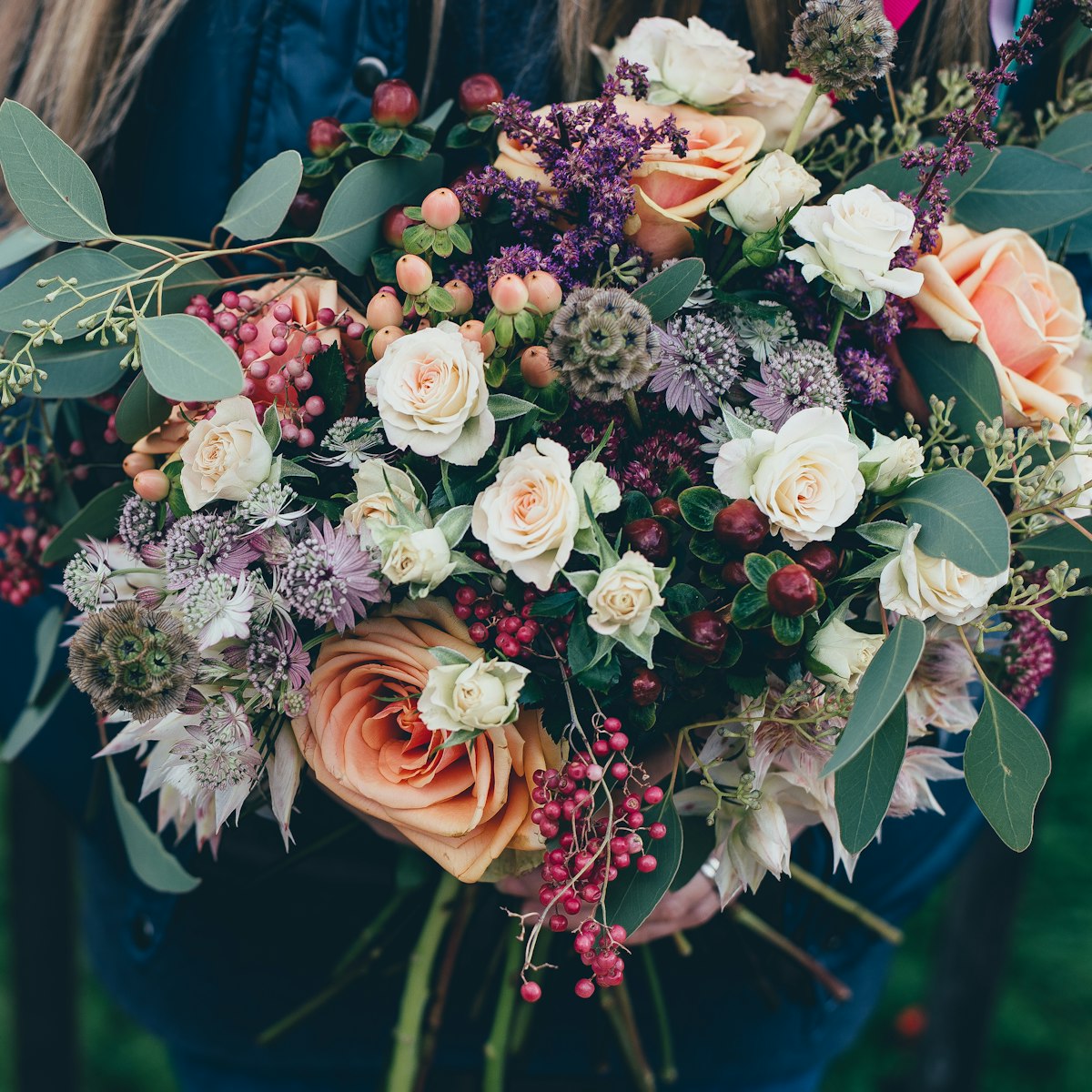
You bring home a grocery store bouquet on Monday, and by Wednesday the petals are browning, the stems are slimy, and the water smells like a swamp. Sound familiar? It is one of the most common frustrations people have with fresh cut flowers, and it leads many to believe that flowers simply do not last. But the truth is, those flowers were already old before you ever picked them up. The real difference between flowers that last three days and flowers that last ten comes down to one thing: how fresh they were when they reached your hands.
At Tulip and Peony Co., we hear this story constantly from customers who have switched from grocery store flowers to farm-fresh blooms. The difference is dramatic, and once you understand why, you will never look at that supermarket flower bucket the same way again.
The Freshness Gap: 5-10 Days Before You Even Buy Them
Most people assume that the flowers sitting in a grocery store cooler were recently cut. In reality, those blooms are typically five to ten days old by the time they reach the retail display. The journey starts thousands of miles away, usually on large commercial farms in Colombia, Ecuador, or the Netherlands. The flowers are harvested, sorted, bundled, and placed in cold storage at the farm. From there, they are trucked to an airport, loaded onto cargo planes, and flown to major distribution hubs in the United States, most commonly Miami or Los Angeles.
After clearing customs and inspection, the flowers enter another round of cold storage at a wholesale distribution center. They are then purchased by regional distributors, who truck them to individual grocery store chains. Each store receives its shipment, unpacks the flowers, trims them, and places them in display buckets. By the time you walk past the floral section and grab a bouquet on impulse, those flowers have been cut, flown, warehoused, trucked, warehoused again, and trucked once more. That is a week or more of life already spent before day one in your vase.
Farm-fresh flowers tell a completely different story. When you order from a local flower farm, your flowers were likely cut that same morning or the day before. There is no transcontinental flight, no chain of warehouses, no week-long supply chain draining the life out of every stem. The gap between harvest and your kitchen table is measured in hours, not days.
Why Freshness Equals Longer Vase Life
The science behind flower longevity is straightforward. When a stem is cut from the plant, the clock starts ticking. The open cut at the base of the stem is a point of entry for bacteria, and those bacteria multiply rapidly in standing water. As bacteria colonize the stem, they clog the tiny vessels called xylem that transport water up to the petals and leaves. Once those vessels are blocked, the flower can no longer hydrate itself, and it wilts.
A freshly cut flower has intact cell walls, open xylem vessels, and strong turgor pressure, which is the internal water pressure that keeps stems rigid and petals firm. Every day that passes after cutting, those cells degrade slightly. The xylem vessels begin to close. Bacterial colonies grow. The flower's ability to take up water diminishes steadily.
This is why farm-fresh flowers routinely last seven to ten days in a vase, while grocery store flowers often collapse after three to five. It is not that grocery store flowers are a different or inferior variety. They simply started their life in your home already halfway through their natural lifespan. A flower that is two days old when you receive it has far more vitality left than one that is eight days old, regardless of how it looks on the surface at the moment of purchase.
The Numbers
- Grocery store flowers: 5-10 days old at purchase, lasting 3-5 days in your vase (total lifespan around 10-14 days from cut)
- Farm-fresh flowers: 0-1 days old at delivery, lasting 7-10 days in your vase (total lifespan around 8-11 days from cut)
The total lifespan is actually similar. The difference is that with farm-fresh flowers, you get to enjoy the vast majority of that lifespan rather than receiving them at the tail end of it.
The Import Supply Chain, Explained
To understand the scale of the problem, consider the logistics. Roughly 80 percent of the cut flowers sold in the United States are imported. The largest sources are Colombia and Ecuador for roses, carnations, and chrysanthemums, and the Netherlands for tulips, lilies, and specialty blooms. The Netherlands alone accounts for nearly half of the global cut flower trade, with the famous Aalsmeer Flower Auction moving approximately 20 million flowers every single day.
Here is what a typical import timeline looks like:
- Day 1: Flowers are cut at a commercial farm in South America or the Netherlands and placed in cold storage on-site.
- Day 2-3: Flowers are packed, loaded into refrigerated trucks, and driven to the nearest cargo airport.
- Day 3-4: Flowers are loaded onto cargo aircraft and flown to Miami International Airport or Los Angeles International Airport, the two primary entry points for imported flowers.
- Day 4-5: Flowers clear U.S. customs and USDA agricultural inspection. They move into cold storage at a wholesale distribution hub.
- Day 5-7: A regional distributor purchases the flowers and trucks them to grocery chain warehouses across the country.
- Day 7-10: Individual stores receive shipments, process the flowers, and place them on display.
At every stage, the flowers are handled, moved, exposed to temperature fluctuations during loading and unloading, and sitting in water of varying cleanliness. Even with modern cold chain technology, each transition point introduces stress. And every hour in transit is an hour the flowers are aging rather than sitting beautifully on your table.
What "Farm-Fresh" Actually Means at Tulip and Peony Co.
When we say farm-fresh, we mean it literally. Our tulips and peonies are grown right here on our farm in St. Paul, Minnesota. We do not import from overseas. We do not buy from wholesale auctions. Every stem we sell is one we planted, tended, and harvested ourselves.
Our harvest process is simple and intentional. We cut flowers at dawn, when temperatures are cool and the stems are fully hydrated from the overnight hours. This is when turgor pressure is at its peak and the blooms are at their strongest. The cut flowers go directly into clean, pH-balanced water with a floral preservative. They are sorted, bunched, and packed in our on-site studio the same morning.
For local customers in the Twin Cities area, that means same-day delivery of flowers that were in the ground just hours earlier. For shipped orders, flowers go out the same day they are cut, arriving at your door within one to two days via priority shipping in insulated packaging designed to maintain temperature and hydration.
We call this philosophy "farmed, not flown." No cargo planes, no customs inspections, no chain of anonymous warehouses. Just flowers that go from our soil to your table with as few steps as possible between.
Chemical-Free Growing Matters Too
Freshness is only part of the equation. How flowers are grown has a significant impact on their health and longevity as well. Large-scale commercial flower farms, particularly those in tropical regions, rely heavily on synthetic pesticides, herbicides, and fungicides to maintain production at scale. These chemicals keep pests and diseases in check across massive monoculture operations, but they come at a cost.
Chemical residues can weaken plant cell walls over time, making stems more brittle and less capable of sustained water uptake. Flowers grown with heavy chemical inputs may look perfect at the point of harvest, but their underlying structure is often compromised. They bruise more easily during shipping, and their cellular integrity breaks down faster once cut.
At Tulip and Peony Co., we grow without synthetic pesticides or herbicides. We use integrated pest management, companion planting, and healthy soil practices to keep our flowers thriving naturally. The result is stems that are genuinely robust, with strong cell walls and healthy vascular systems that continue to transport water efficiently long after cutting. Our flowers are also safer for your home. There is no chemical residue on the petals your children touch or your cat inevitably investigates. What you get is simply a flower, grown in clean soil, cut at the right moment, and delivered with care.
How to Tell If Flowers Are Fresh
Whether you are shopping at a grocery store, a farmers market, or a local flower farm, knowing how to evaluate freshness can save you from bringing home a bouquet that is already on its last legs. Here are the signs to look for:
- Firm stems: A fresh stem feels sturdy and snaps cleanly when bent. If the stem is soft, rubbery, or bends without resistance, the flower is past its prime. The stem just below the bloom head is the most telling area to check.
- Tight buds or just-opening blooms: Flowers at the bud stage or just beginning to open will last the longest. Fully open blooms are beautiful, but they have less life left. For roses, tulips, and peonies especially, buying at the bud stage gives you the full show from opening to final petal drop.
- Green, healthy leaves: Yellowing, wilting, or brown-spotted leaves are a clear sign of age. Fresh flowers have crisp, vibrant green foliage. If the lower leaves are already slimy or translucent, those flowers have been sitting in old water for too long.
- Clean water smell: If you can, smell the water the flowers are sitting in. Fresh water should be odorless or smell faintly green. A sour, swampy, or unpleasant smell means bacterial growth is already well underway, and those bacteria have been traveling up the stems.
- No brown edges on petals: Check the outer petals for browning, translucency, or papery texture. These are signs of dehydration and age. Fresh petals are smooth, evenly colored, and slightly cool to the touch.
- Pollen check: For flowers like lilies, look at the stamens. If pollen is already shedding heavily, the flower has been open for several days. Fresh lilies will have tight, undehisced anthers.
If you are buying from a grocery store and want to maximize your chances, look for bouquets that were just put out. Ask the floral department when their last shipment arrived. Choose bouquets from the back of the cooler where temperatures are most consistent. And always re-cut the stems and change the water as soon as you get home.
The Bottom Line
The next time someone tells you that fresh cut flowers just do not last, know that the problem is almost never the flower itself. It is the supply chain. Flowers that travel thousands of miles over the course of a week simply cannot compete with blooms that were growing in soil yesterday morning. The freshness gap is real, it is measurable, and it makes the difference between a bouquet you enjoy for three days and one that brightens your home for well over a week.
Buying from a local flower farm is not just a feel-good choice. It is a practical one. You get longer-lasting blooms, healthier stems grown without synthetic chemicals, and the satisfaction of supporting a small farm rather than an industrial import operation. Your flowers arrive with their best days ahead of them, not behind them.
Ready to experience the difference? Order farm-fresh tulips and peonies from Tulip and Peony Co. and see how long real flowers actually last. Tulip bunches start at $40 for 25 stems.
Shop NowPeony season is coming. Our peony collection launches late May with three heirloom varieties grown right here on our farm. Join the presale list for first access and early-bird pricing.
Peony Presale