5 Common Cut Flower Mistakes (And How to Fix Them)
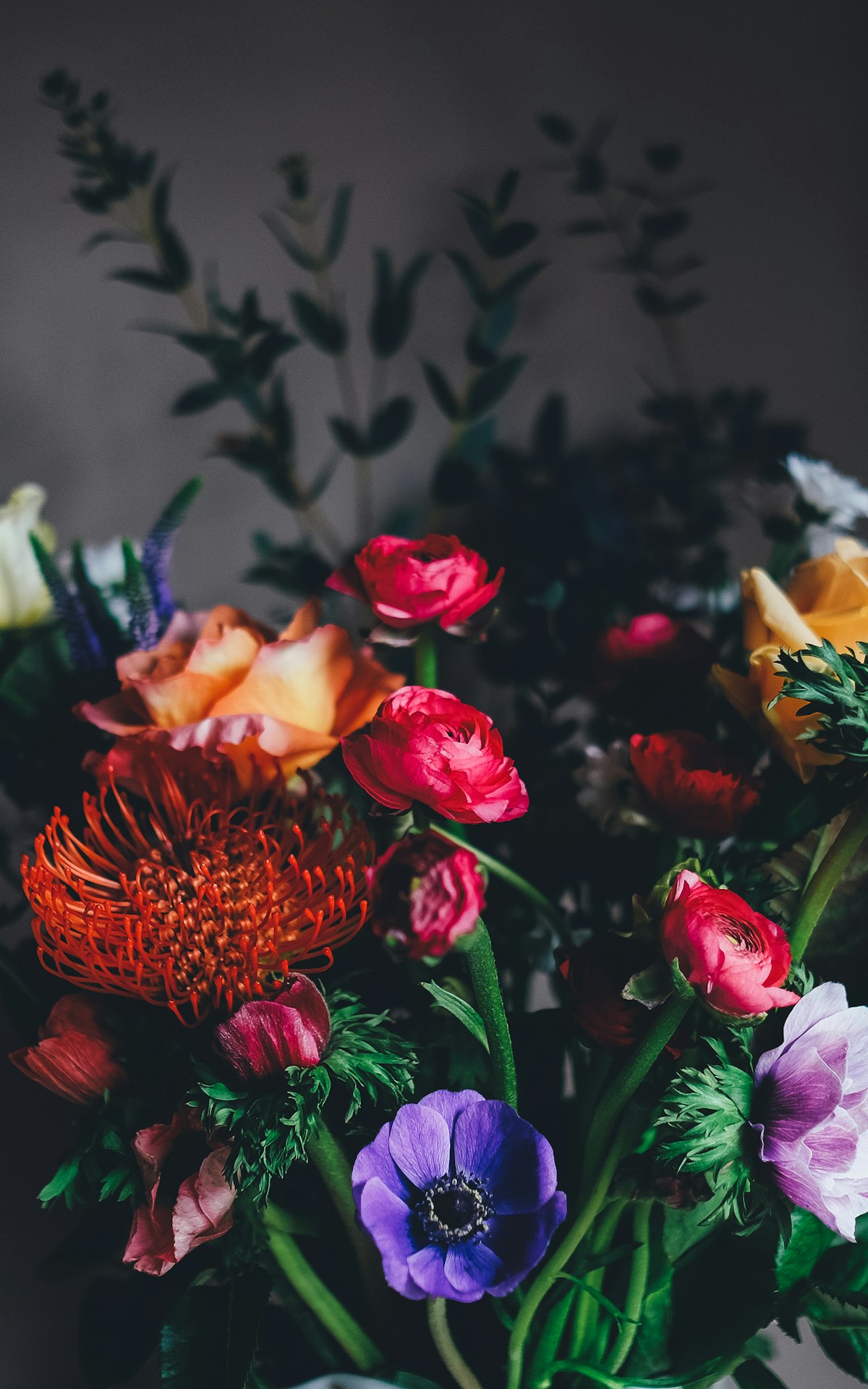
You bring home a gorgeous bouquet, set it in a vase, and within two days the petals are drooping and the water looks murky. Sound familiar? You are not alone. Most people unknowingly kill their flowers within 48 hours of getting them home, and it is not bad luck or bad flowers. It is bad habits.
The good news is that every one of these mistakes is easy to fix. A few simple changes to how you handle your cut flowers can literally double their vase life. We see it every day with our customers: the ones who follow these steps consistently get seven to ten days out of their bouquets, while the ones who wing it are lucky to get four. Here are the five most common mistakes and exactly how to correct them.
Mistake #1: Skipping the Stem Trim
This is by far the most common mistake we see. You get your flowers home, unwrap them, and drop them straight into a vase of water. It seems logical enough. But here is what is actually happening: during transit, the cut ends of the stems dry out and seal over. Think of it like a scab forming on a wound. That seal blocks the stem from absorbing water, so even though the flowers are sitting in a full vase, they are effectively dying of thirst.
The fix is simple. Before your flowers ever touch the vase, use sharp scissors or a clean knife to cut one to two inches off the bottom of each stem at a 45-degree angle. The angled cut does two important things. First, it increases the surface area available for water absorption. Second, it prevents the stem from sitting flat against the bottom of the vase, which can block water intake entirely.
A word on tools: use sharp scissors or pruning shears, not the kitchen shears you use for everything else. Dull blades crush the stem fibers instead of cutting them cleanly, and those crushed fibers cannot transport water efficiently. It is the difference between drinking through an open straw and a pinched one.
Re-trim the stems every two to three days when you change the water. This single habit can add three to four days of vase life. It is the closest thing to a magic trick in flower care.
Mistake #2: Using Warm Water
A lot of people fill their vase with warm or even hot tap water, thinking it will help the flowers drink faster. This is one of those ideas that sounds reasonable but actually does the opposite of what you want. Warm water encourages bacterial growth, and bacteria is the number one killer of cut flowers. Within hours, warm water becomes a breeding ground for the microorganisms that clog stems and produce the slimy film you have probably noticed on flower stems after a few days.
Most cut flowers prefer cool water. Fill your vase with cold tap water, the kind that feels refreshing when you take a drink. That is the temperature your flowers want too. Tulips are especially cold-loving and actually benefit from a few ice cubes added to the vase, particularly during warmer months. The cold slows their metabolism, which keeps them firmer and more upright for longer.
There is one exception worth noting. Woody-stemmed flowers like hydrangeas and lilacs can handle lukewarm water, which helps them draw moisture up through their thicker, denser stems. But for the vast majority of cut flowers, including tulips, roses, peonies, and ranunculus, cool water is the way to go. A simple rule of thumb: if the water would not feel refreshing to drink, it is too warm for your flowers.
Mistake #3: Forgetting to Change the Water
This is the "set it and forget it" mistake, and it probably kills more flowers than anything else on this list. People arrange their bouquet, step back to admire it, and then do not touch the vase again until the flowers are dead. Meanwhile, the water is slowly turning into a bacterial soup.
Here is the reality: cut flower stems are constantly releasing organic matter into the water. Bits of plant tissue, sugars, and other compounds create the perfect environment for bacteria to thrive. Within 48 hours, even crystal-clear water can develop enough bacteria to significantly shorten your flowers' life.
The fix is straightforward. Change the water every two days at minimum. When you do, take the extra 30 seconds to rinse out the vase as well. If you can see any slimy residue on the inside of the glass, scrub it with a bit of dish soap and rinse thoroughly. The water in your vase should always be clear. If it looks cloudy, you have waited too long. Cloudy water is a bacteria feast, and your flowers are the main course.
Start with the freshest stems possible. Our tulips are cut the morning of shipment and arrive within 24 hours, so you are already ahead of the game on vase life.
Shop Fresh TulipsMistake #4: Placing Flowers Near Fruit or Heat
You just arranged a beautiful bouquet and you want to show it off. So you set it on the kitchen counter next to the fruit bowl, or on the windowsill where the afternoon sun streams in, or on the mantel above the fireplace. All perfectly natural instincts, and all quietly killing your flowers.
Let us start with the fruit. Ripening fruit, especially bananas and apples, releases a gas called ethylene. You cannot see it or smell it, but it is a powerful plant hormone that triggers aging and decay in flowers. Even a fruit bowl sitting a couple of feet from your arrangement can produce enough ethylene to make your flowers wilt days earlier than they should. It is a silent flower killer that most people never suspect.
Heat is equally damaging. Direct sunlight, heating vents, radiators, and even the warm air that rises from appliances all accelerate the dehydration and aging process in cut flowers. That sunny kitchen windowsill everyone loves? It is one of the worst spots in your house for a bouquet. The combination of warmth and light speeds up the flowers' metabolism, causing them to open too quickly and fade prematurely.
The ideal spot for your arrangement is a cool area with indirect light, away from any fruit. A dining table in a room that stays around 65 degrees is perfect. Your flowers will reward you with days of extra life.
Mistake #5: Leaving the Foliage On
This is probably the single most overlooked step in cut flower care, and it is one of the easiest to fix. When you arrange your flowers, take a close look at where the waterline will be. Any leaves, side shoots, or foliage that will sit below the surface of the water need to be stripped off before the stems go into the vase.
The reason is simple: submerged foliage rots. And rotting plant matter in your vase water is essentially the same as throwing a handful of bacteria food into the mix. Within a day, those submerged leaves start breaking down, the water turns cloudy, and the bacterial population explodes. All of that bacteria clogs the stems and prevents water uptake, which is exactly how flowers die.
Take a minute before arranging to strip off any leaves that would end up underwater. It feels wasteful to pull off perfectly green leaves, but trust us, your flowers will last significantly longer without them. Focus on keeping the portion of the stem that sits in water completely clean and bare. The leaves above the waterline are fine and add to the arrangement's fullness.
Bonus: The Flower Food Packet
That little packet of powder that comes with your bouquet? Do not throw it away. It is not a marketing gimmick. Flower food packets contain three carefully balanced ingredients that work together to extend vase life. The first is sugar, which provides energy that the flowers can no longer produce on their own since they have been separated from the plant. The second is citric acid, which lowers the pH of the water to help the stems absorb moisture more efficiently. The third is a small amount of bleach, which acts as an antibacterial agent to keep the water clean.
If you do not have a flower food packet, you can make a surprisingly effective substitute at home. For every quart of water in your vase, add one teaspoon of sugar, one drop of household bleach, and a small squeeze of lemon juice. The sugar feeds the flowers, the bleach fights bacteria, and the lemon juice lowers the pH. It is not quite as precisely calibrated as the commercial packets, but it works remarkably well.
The Freshness Advantage
Here is something most people do not think about: even with perfect care, flowers that were cut five to ten days ago simply cannot last as long as flowers that were cut that morning. The vase life clock starts ticking the moment a stem is cut from the plant, not the moment you bring it home and put it in water.
This is the fundamental difference between grocery store flowers and farm-fresh stems. Those grocery store bouquets may look fine on the shelf, but they have already been through days of cold storage, transport, and sitting under fluorescent lights. By the time you get them home, a significant portion of their vase life is already used up. That is why they often last only three to five days even when you do everything right.
Our customers consistently report getting seven to ten days of vase life from our flowers, and that is not because our tulips are superhuman. It is because they are cut fresh the morning they ship and arrive at your door within 24 hours. You are getting the full vase life window instead of whatever is left of it. When you combine that freshness with the five care tips above, you are setting yourself up for the longest-lasting bouquet possible.
Ready for flowers that actually last? Start with farm-fresh stems cut the morning they ship, and put these care tips to work.
Shop Now Tulip Care Guide