Why We Farm in Minnesota: The Secret Is in the Soil
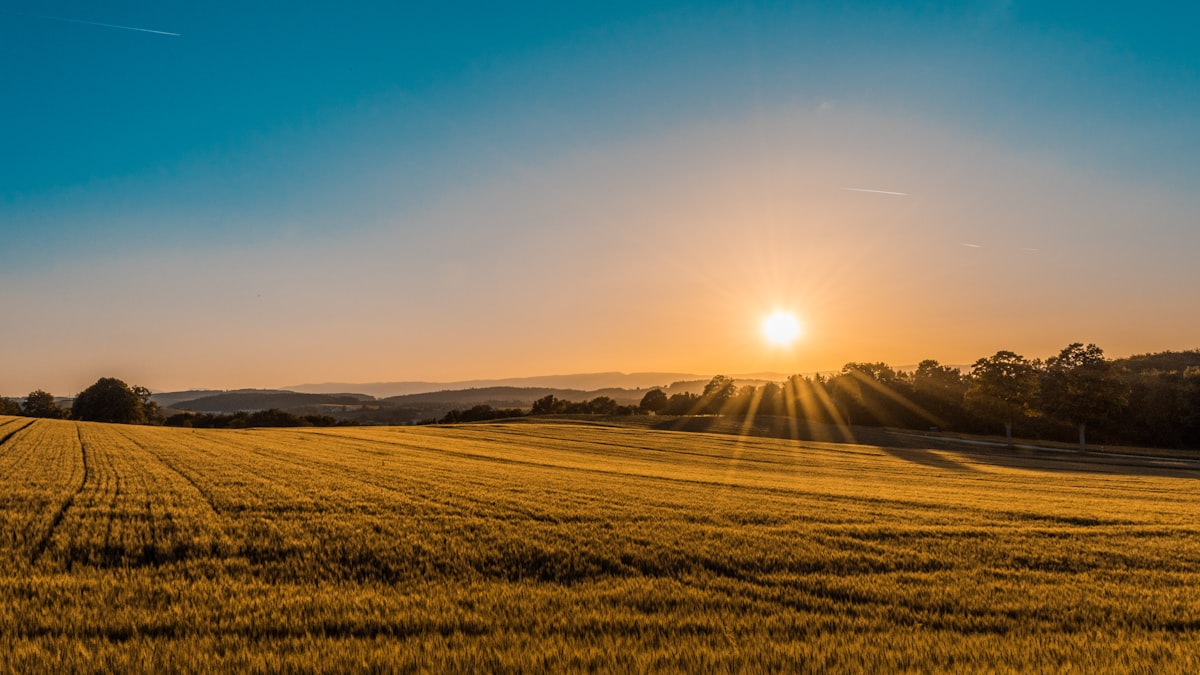
People are always surprised when they hear we grow tulips and peonies in Minnesota. The first question is almost always the same: "Isn't it too cold?" We smile every time, because the truth is exactly the opposite. The cold is not an obstacle to growing extraordinary flowers here. The cold is the reason our flowers are extraordinary.
Minnesota is not the first place most people think of when they picture a flower farm. But once you understand what tulips and peonies actually need to thrive, it starts to make perfect sense. The brutal winters, the rich glacial soil, the long spring days, the dramatic shift from frozen ground to warm sun — these are not hardships we endure. They are advantages we lean into. This is the story of why we chose to farm here, and why we would not farm anywhere else.
The Cold That Tulips Need
Tulips are not tropical flowers. They are native to the mountain valleys of Central Asia — places like Kazakhstan, Uzbekistan, and the foothills of the Himalayas. These are landscapes defined by brutal winters and short, intense springs. Over thousands of years, tulips evolved to depend on that cold. They need it the way we need sleep: without it, they simply cannot perform.
The process is called vernalization. Tulip bulbs require 12 to 16 weeks of sustained cold temperatures, below 40 degrees Fahrenheit, in order to trigger the biochemical changes that lead to blooming. Without this extended chill period, the bulbs produce weak stems, muted colors, and stunted flowers — if they bloom at all.
In warmer climates like the southern United States, growers have to pre-chill their bulbs in walk-in coolers for months before planting. It works, but it is an artificial approximation of what nature provides for free in places like Minnesota. Our bulbs go into the ground in the fall and spend the entire winter under a blanket of snow and frozen earth. They get the real thing — deep, sustained, uninterrupted cold — and the result is stronger stems, larger blooms, and more vivid colors than you will find from artificially chilled stock.
The Spring That Changes Everything
If our winters are what prepare the bulbs, our spring is what brings them to life. And Minnesota does not do spring gradually. There is no gentle, weeks-long transition from cold to warm. Instead, temperatures can swing from the low 30s to the mid-60s in a matter of weeks. The snow melts, the frost retreats from the soil, and suddenly everything wakes up at once.
Tulips respond to this compressed growing window with an explosive burst of growth. The rapid temperature change triggers them to push up through the soil with remarkable vigor, channeling all the energy they stored during vernalization into fast, powerful growth. This concentrated bloom period produces flowers with exceptional color saturation and structural integrity. The petals are thicker, the stems are sturdier, and the colors are deeper than what you typically see from bulbs grown in milder climates.
The long days help too. By May, Minnesota gets 14 to 15 hours of daylight, which fuels rapid photosynthesis and gives the plants all the energy they need to produce their best work. It is a short window, but it is an intense one — and the flowers are better for it.
The Soil Beneath Our Feet
Our farm sits on glacial till — soil that was deposited by retreating glaciers thousands of years ago at the end of the last ice age. As those massive ice sheets moved south and then slowly pulled back north, they ground bedrock into fine particles and mixed it with organic matter, leaving behind a heavy, mineral-rich loam that is unlike anything you find in most parts of the country.
This glacial soil has a few qualities that make it ideal for growing flowers. It holds moisture well without becoming waterlogged, which is critical for bulbs that rot in standing water. It is naturally rich in the minerals that plants need — calcium, magnesium, potassium — so we start with a strong foundation rather than trying to build fertility from scratch.
We build on that foundation with compost, cover crops, and zero synthetic chemicals. Every fall, after the growing season ends, we plant cover crops like crimson clover and winter rye that protect the soil from erosion, fix nitrogen, and add organic matter when we turn them under in spring. We amend with aged compost from a local supplier and let earthworms and soil microorganisms do the rest. The result is soil that is genuinely alive — teeming with the biological activity that feeds roots, builds structure, and ultimately produces flowers with stronger stems and longer vase life.
Peonies: The Ultimate Perennials
If tulips are the flowers that need cold to bloom, peonies are the flowers that need cold to survive. Peonies thrive in USDA hardiness zones 3 through 7, and Minnesota's Zone 4 sits right in the sweet spot. Our winters are cold enough to give peonies the deep dormancy they require, but our summers are warm enough to support vigorous growth and abundant blooms.
What makes peonies remarkable is their longevity. Our peony beds have not been tilled in years. The root systems run deep and undisturbed, growing stronger and more productive with each passing season. A mature peony plant produces more blooms every year, and there are peony farms in the northern United States with plants that are 50 years old or more, still blooming reliably every June.
Peonies actually require a hard freeze to bloom at all. Without an extended period of temperatures below 40 degrees, peony buds will not develop properly. In warmer southern climates, peonies struggle or refuse to bloom entirely. But in Minnesota, they get exactly what they need: months of deep cold, followed by a warm and generous growing season. The result is lush, full, fragrant blooms that you simply cannot replicate in a greenhouse or a warmer climate.
Farmed, Not Flown
Here is a number that might surprise you: roughly 80 percent of the cut flowers sold in the United States are imported, primarily from Colombia and Ecuador. Those flowers are harvested, sorted, packed into boxes, loaded into cold storage, flown on cargo jets to Miami, cleared through customs, trucked to regional distribution centers, and finally delivered to grocery stores and florists. By the time you pick up a bouquet at the store, those flowers are often 7 to 10 days old.
Our flowers take a different path. They are cut in the morning, conditioned in fresh water, and on their way to your door within 24 hours. There is no 5,000-mile supply chain. No warehouse layovers. No days spent sitting in a box on a loading dock. The difference shows up in every petal. Our flowers arrive with their stems firm, their colors bright, and their fragrance intact — because they have not spent a week and a half in transit.
This is not just about freshness, either. It is about what you are supporting when you buy flowers. An imported bouquet supports an industrial supply chain that burns jet fuel and relies on long-distance refrigeration. A bouquet from our farm supports a local family, local soil, and a model of agriculture that puts quality and care ahead of volume and logistics.
The Human Scale
We are not a factory farm. We do not manage our fields from a spreadsheet or make planting decisions based on commodity futures. We know every bed, every variety, every quirk of our land. We know which corner of the south field drains a little slower after heavy rain. We know which tulip varieties bloom three days earlier than the rest. We know where the deer like to browse if we do not put up netting in time.
When a late frost threatens in May, we are out covering beds with row cover at five in the morning, headlamps on, coffee in hand. When the peonies are ready to harvest, we can feel it — tight buds that give just slightly when squeezed, a firmness that tells you they will open perfectly in the vase. This is knowledge that comes from working the same land, season after season, at a scale that allows you to pay attention.
This is what you lose with industrial farming: the care that comes from working at human scale. When one person can see and touch every plant, the quality of attention is fundamentally different. We are not monitoring sensors and adjusting algorithms. We are walking the rows, pulling weeds by hand, and making decisions based on what the plants are telling us right now, today, in this weather.
Why It Matters for You
All of this translates into something very simple when a box of our flowers arrives at your door. Fresher flowers that last longer in the vase. Stems grown without synthetic chemicals, in living soil, under open sky. A purchase that supports a local farm and a local family instead of an intercontinental import chain.
And honestly? Flowers grown in real soil, under a real sky, by people who actually care — they just look and smell different. The colors are richer. The petals have a weight and a texture to them. The fragrance, especially with peonies, fills a room in a way that imported flowers rarely manage. You will notice it the moment you open the box. It is the difference between something that was produced and something that was grown.
We chose Minnesota because the land told us to. The cold, the soil, the light, the seasons — everything about this place is tuned to grow the flowers we love. And every spring, when the first tulip pushes through the thawing ground and opens its petals to a wide northern sky, we are reminded all over again why we would not want to be anywhere else.
Experience the difference for yourself. Our tulip bunches start at $40 for 25 stems, cut fresh from our Minnesota fields and shipped to your door within 24 hours.
Shop NowWant to learn more about our story? Our about page shares how we started, what we believe, and why we farm the way we do.
Our Story